

5 Common Orthopedic Issues Seniors Face and How to Address Them
Staying active and enjoying your golden years should be a top priority, but joint stiffness or bone aches can sometimes slow down your daily rhythm. Getting older naturally brings changes to how your body moves and feels. Fortunately, understanding these common physical changes helps you take proactive steps toward dynamic health, comfortable movement, and long-term vitality. Taking a proactive approach to your personal wellness makes every single day much more enjoyable.
1. Managing Osteoarthritis and Joint Wear
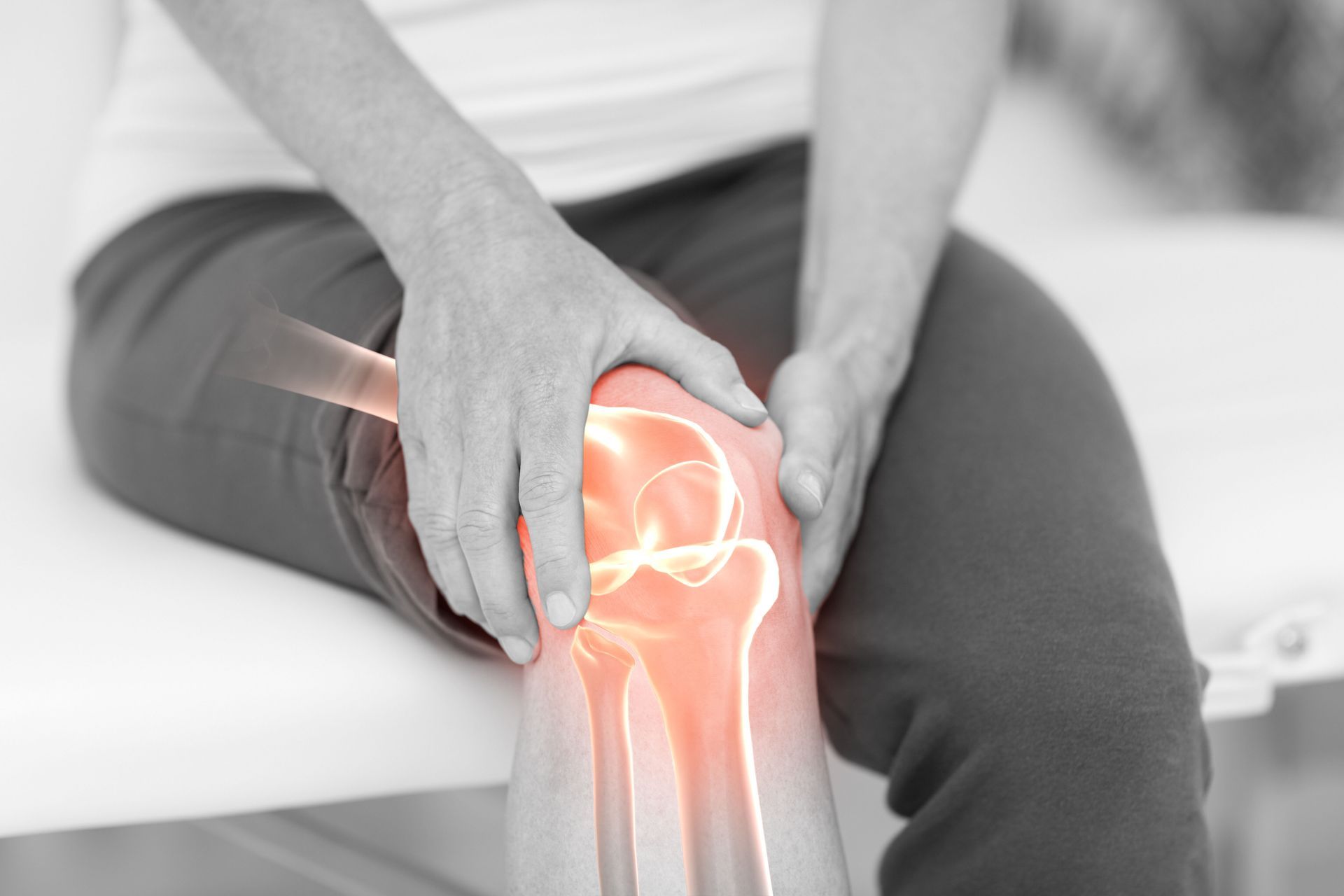
Osteoarthritis stands out as one of the most frequent reasons older adults experience joint discomfort and stiffness. As time passes, the protective cartilage that cushions the ends of your bones gradually wears down, leading to friction during daily movement. This condition commonly affects high-impact areas like the knees, hips, hands, and lower back, making routine tasks feel surprisingly challenging. Understanding how cartilage breaks down over time gives you better insight into your ongoing joint health.
When knees or hips begin to ache during a morning stroll, professional evaluation becomes an essential next step. Seeking guidance from local orthopedic doctors helps you get a clear diagnostic picture of your joint health. These medical experts evaluate cartilage loss through physical exams and imaging techniques, offering targeted options to reduce friction and improve overall mobility. Prompt medical attention helps protect your joints from unnecessary further wear and tear.
Addressing joint wear typically involves a combination of medical interventions, physical therapy programs, and lifestyle modifications tailored to your specific needs. Clinical specialists can prescribe customized movement regimens that strengthen surrounding muscles without stressing the joints. Working directly with medical professionals guarantees that your path to comfort remains safe, structured, and effective. Regular clinical checkups allow your healthcare team to make timely adjustments to your care plan.
2. Treating Osteoporosis and Bone Density Loss
Osteoporosis is a widespread metabolic condition characterized by the gradual thinning of bone tissue, making bones increasingly fragile and susceptible to fractures. Because bone loss usually occurs quietly without obvious early warning symptoms, many individuals only discover the issue after experiencing an unexpected fracture from a minor fall or bump. Maintaining awareness of your skeletal health becomes increasingly important as the years go by.
Preventing severe complications requires a proactive medical approach focused on early detection and specialized monitoring. Consulting with local orthopedic doctors allows you to schedule routine bone density scans, such as DEXA imaging, to track your skeletal strength accurately. Early diagnosis enables medical teams to intervene before serious structural damage or fractures occur. Regular screening provides peace of mind while keeping your bone health right on track.
Professional management plans for osteoporosis often feature specialized prescription medications designed to slow down bone loss or rebuild bone mass. Clinical providers can also create comprehensive balance and strength training plans that safely enhance stability. Partnering with a dedicated medical team gives you the proper tools to maintain sturdy bones throughout retirement. Consistent clinical support helps keep your frame strong and resilient through every stage of life.
3. Addressing Rotator Cuff Tears and Shoulder Stiffness
Shoulder pain can make simple daily tasks like reaching for a high cupboard, putting on a jacket, or sleeping comfortably feel nearly impossible. Rotator cuff issues often develop from a combination of age-related tendon degeneration and repetitive overhead movements. Over time, the tendons that stabilize the shoulder joint become thinner, weaker, and more prone to partial or complete tearing. Paying attention to early shoulder discomfort can prevent minor strains from turning into major complications.
Ignoring persistent shoulder discomfort often leads to increased joint stiffness and a significantly reduced range of motion. Booking an evaluation with local orthopedic doctors helps determine whether your pain stems from tendon inflammation, bursitis, or an actual structural tear. Precise diagnostic imaging, such as magnetic resonance imaging or ultrasound, clarifies the exact nature of the damage. Getting a clear diagnosis early on takes the guesswork out of your recovery process.
Modern clinical approaches offer a wide variety of effective treatments for shoulder injuries, ranging from therapeutic targeted injections to specialized rehabilitation exercises. Medical specialists guide you through structured recovery phases designed to rebuild tendon strength and restore overhead flexibility. With professional intervention, shoulder functionality can be safely restored without risking further tissue damage. Following a professionally guided plan gets you back to your favorite activities much faster.
4. Healing Spinal Stenosis and Lower Back Strain
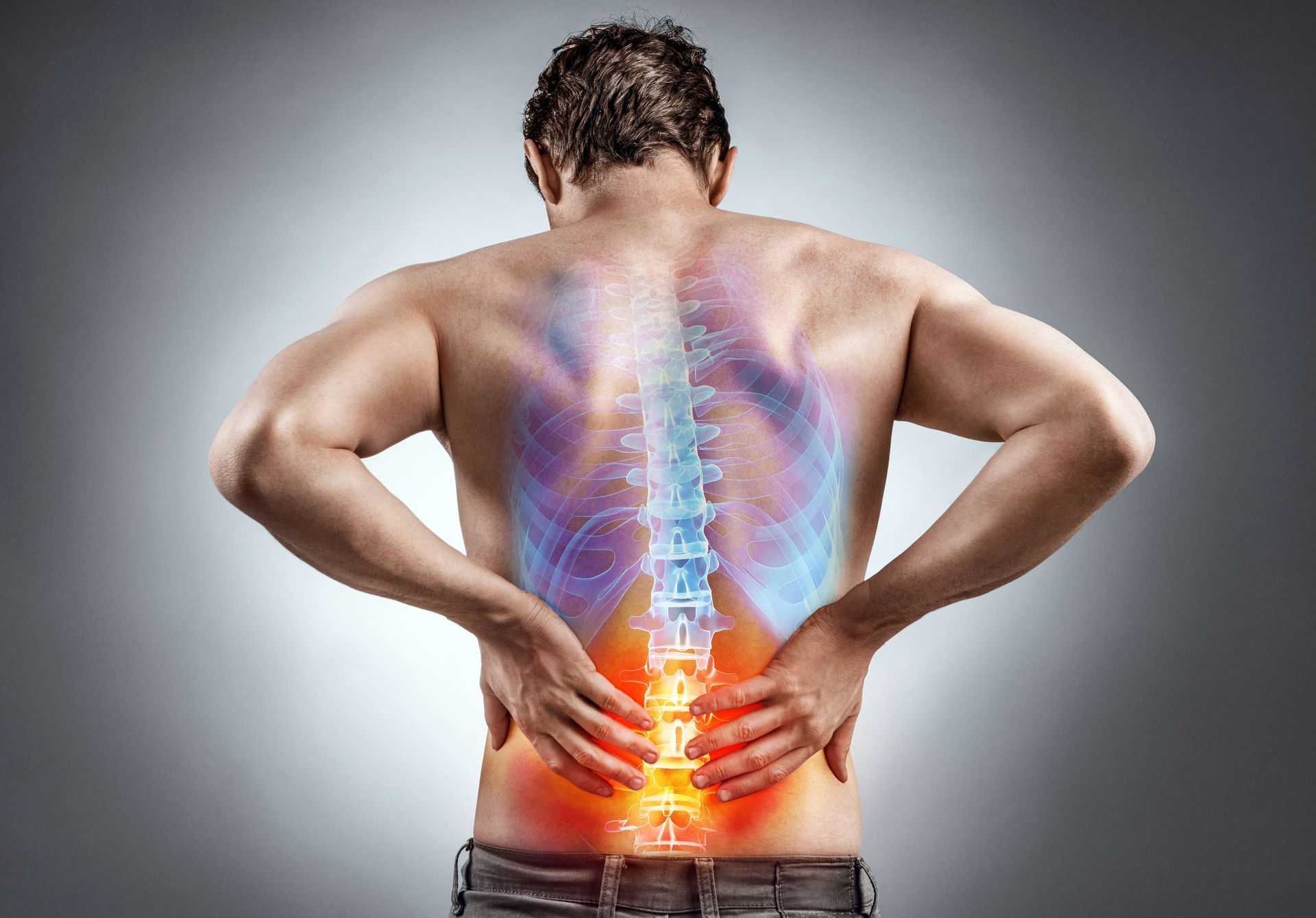
Spinal stenosis happens when the open spaces within your spine narrow, placing uncomfortable pressure on the spinal cord and nearby nerves. This narrowing frequently occurs in the lower back and neck, leading to persistent ache, numbness, or tingling sensations that radiate down into the legs. According to Healio, orthopedic sports injuries among adults aged 65 and older are expected to increase by 123% between 2021 and 2040. Keeping your spine supported through expert medical care is essential for maintaining your daily independence.
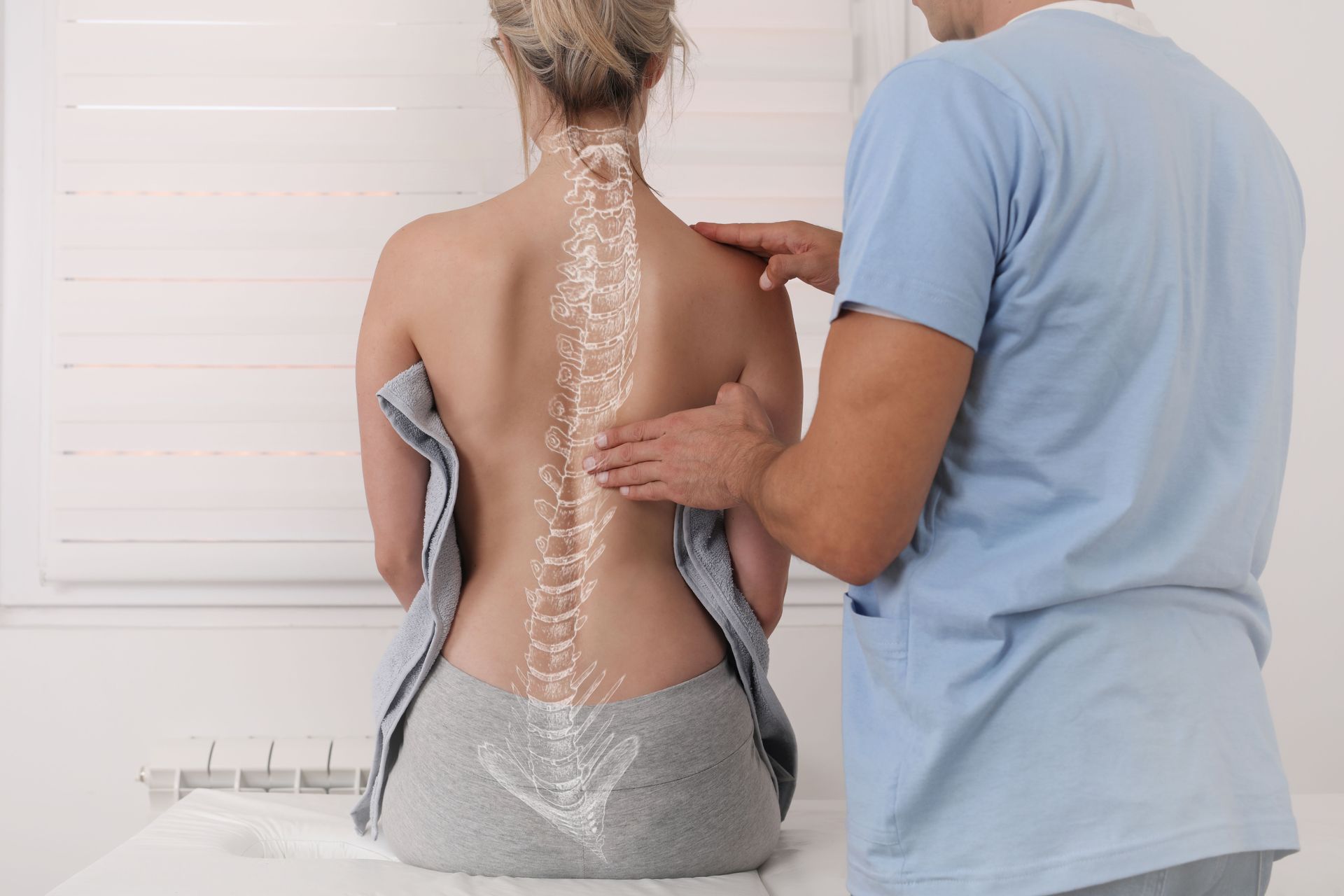
Navigating chronic back discomfort requires precise expert care to prevent long-term nerve irritation and mobility loss. Partnering with local orthopedic doctors ensures you receive a thorough neurological and structural assessment of your entire vertebral column. Specialists can isolate the precise spinal segments causing nerve compression and tailor a comprehensive treatment strategy. Having an accurate map of your spinal health allows for targeted interventions that truly work.
Clinical care for spinal conditions focuses on relieving nerve pressure, reducing local inflammation, and bolstering core muscle stability. Medical professionals may utilize targeted spinal injections, clinical physical therapy, or non-invasive decompression techniques to alleviate pain. Having a structured treatment framework allows you to stand taller, walk with greater ease, and remain comfortably active. Continued medical guidance keeps your back feeling strong so you can move with confidence.
5. Correcting Plantar Fasciitis and Foot Pain
Foot discomfort can quickly undermine your independence, making standing, walking, or running errands a painful experience. Plantar fasciitis involves inflammation of the thick band of tissue that runs across the bottom of your foot, connecting your heel bone to your toes. As the feet age, natural fat pads thin out, making the plantar fascia more vulnerable to strain and micro-tears. Proper care for your feet allows you to maintain an active and fulfilling daily routine.
Sharp heel pain, particularly during those initial morning steps, signals the need for professional foot and ankle evaluation. Scheduling an appointment with local orthopedic doctors helps confirm whether plantar fasciitis or heel spurs are the root cause of your morning stiffness. Medical experts check foot mechanics, arch support, and gait patterns to pinpoint the underlying strain. Identifying the exact source of your foot pain paves the way for effective relief.
Comprehensive clinical care for foot conditions combines specialized orthotic support, medical stretches, and targeted therapeutic modalities. Specialists can prescribe custom orthotics that properly align your foot structure and distribute pressure evenly across the arch. Relying on professional foot care helps restore a smooth, painless stride so you can enjoy walking every single day. Consistent attention to foot health keeps you moving comfortably toward your personal wellness goals.
Taking charge of your musculoskeletal health allows you to enjoy an active, fulfilling lifestyle at any age. Recognizing symptoms early and seeking professional medical guidance keeps your joints flexible, your bones strong, and your body moving comfortably. Prioritizing expert orthopedic care today paves the way for a healthier, happier, and far more active tomorrow. Connecting with local orthopedic doctors gives you the professional support needed to protect your physical vitality for years to come. Schedule a consultation with Center City Orthopedics & Therapy PC today to keep moving with confidence!
Share On: